Chinese traditions, everyday connections

Five Elements.

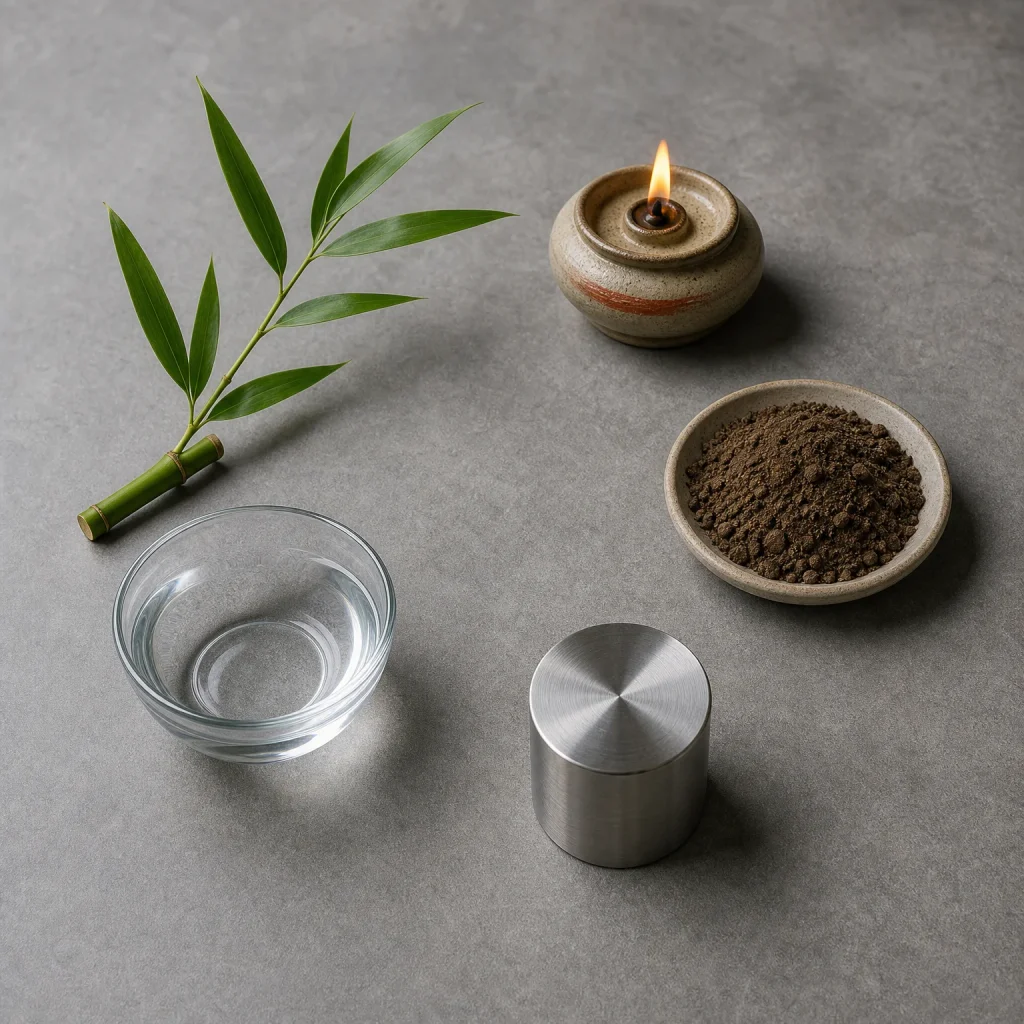
Wood. Fire. Earth. Metal. Water.
A traditional language of relationships, change, and balance.

Charts & casting

BaZi Chart

The Four Pillars, birth time, and the relationships of the Five Elements.

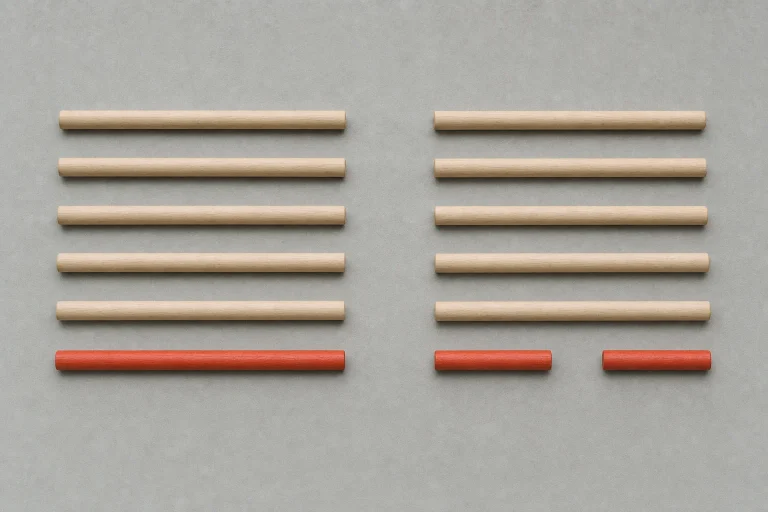
I Ching Casting

Six lines, changing patterns, and the Book of Changes as a text for reflection.

A closer look at Wu Xing

Not five separate things.
Five ways of relating.

In Chinese thought, the Five Elements describe patterns of change. Wood feeds Fire, Fire gives rise to Earth, and the cycle continues.

Their meaning lies in how they work together, not in assigning one permanent label to a person.

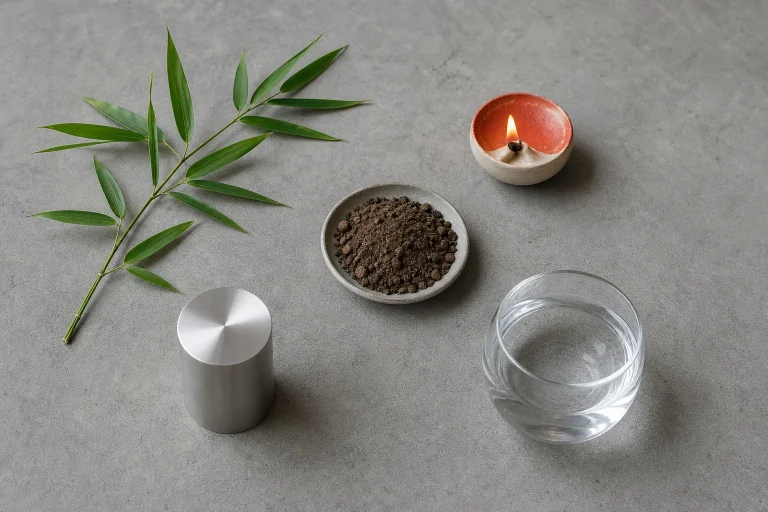
AI-generated cultural illustration of five material objects: bamboo, a ceramic lamp flame, soil, brushed metal and clear water.

AI-generated cultural illustration.

The reading room

Start with the foundations.

01 / WU XING

The Five Elements

Seasons, directions, and two cycles of relationship.

02 / FOUR PILLARS

An introduction to BaZi

Eight characters, four pillars, and the importance of context.

03 / BOOK OF CHANGES

The I Ching

Yin and yang, the eight trigrams, and an enduring text.

Latest articles

Culture

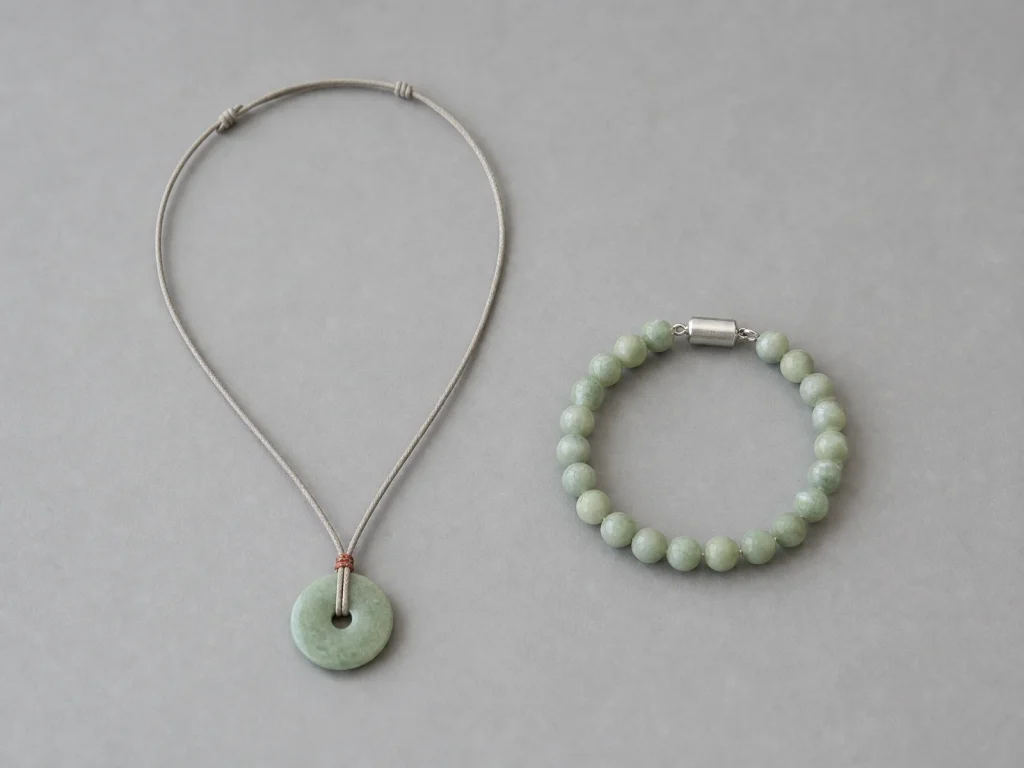
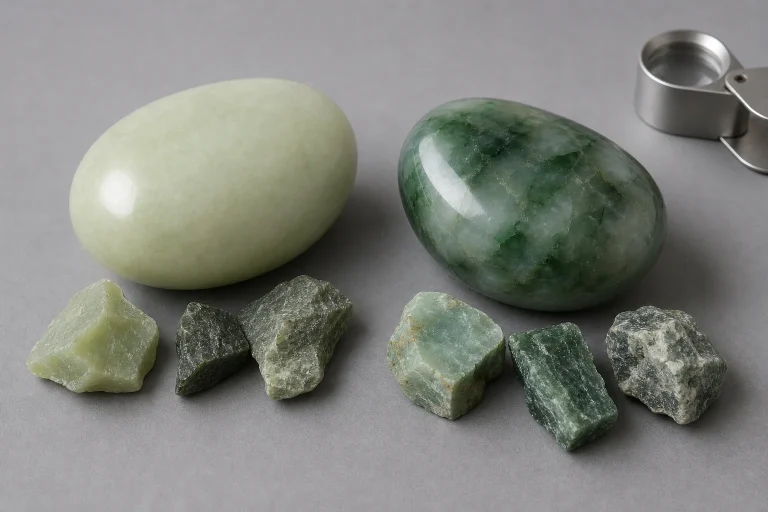
Jade vs. Jadeite: Where Nephrite Fits

Jade is a broader name; jadeite and nephrite identify different materials. Appearance and symbolic meaning do not replace identification and treatment disclosure.
Objects & everyday rituals

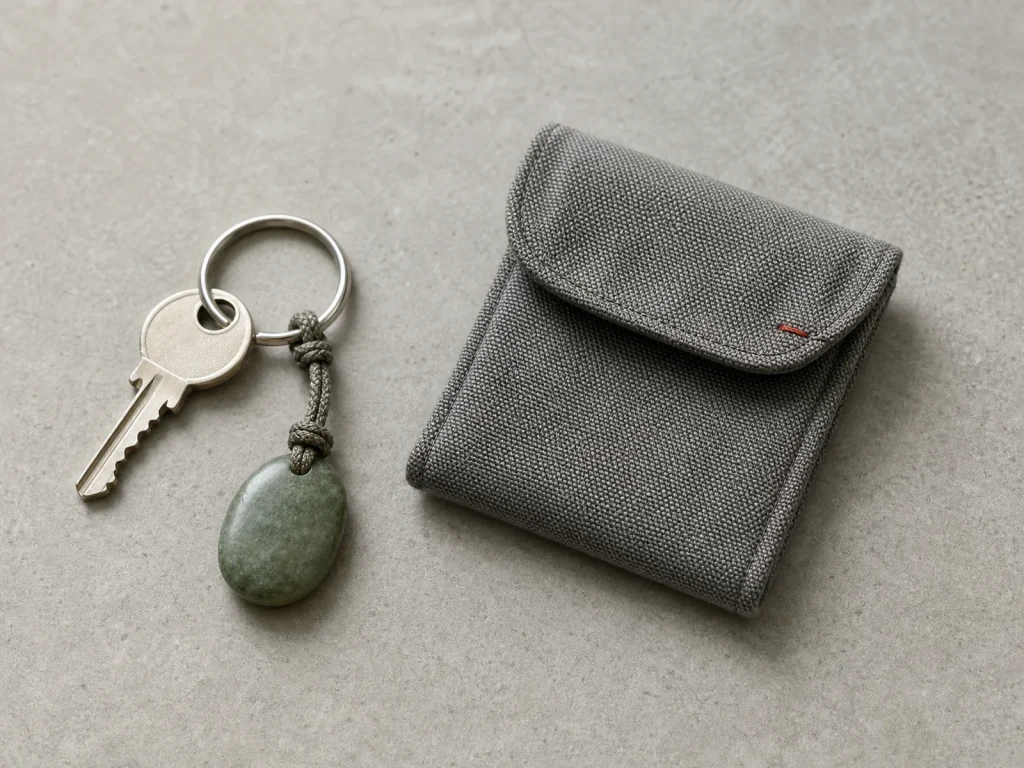
Meaningful pieces. Thoughtfully chosen.

Personal adornment, objects for your space, and small things to carry with you.